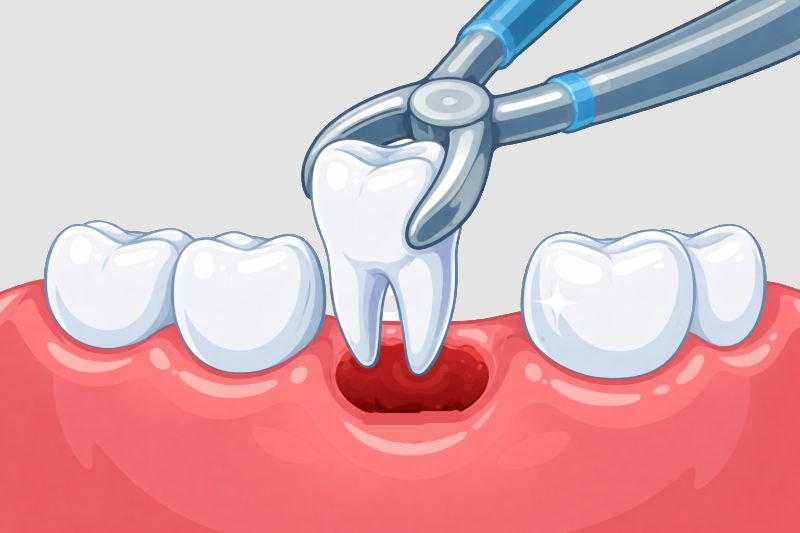

Most people dread the words “root canal,” but the procedure itself is far less painful than the infection it treats. The real danger is waiting too long. A tooth infection that reaches the pulp can spread to surrounding bone and tissue if left untreated — and by then, extraction may be the only option.
Here are the seven warning signs you should never ignore.
1. Persistent, Throbbing Tooth Pain
A toothache that comes and goes may be early-stage sensitivity. But when the pain is constant, deep, and throbbing — especially when biting down — that’s a strong indicator that the nerve inside the tooth is infected or dying.
Unlike a mild cavity ache, infected pulp pain often radiates to the jaw, ear, or even the side of your face. It tends to worsen at night when you lie down.
2. Prolonged Sensitivity to Hot and Cold
Everyone experiences brief discomfort when eating ice cream or drinking hot coffee. That’s normal. What isn’t normal is sensitivity that lingers for more than 30 seconds after the temperature stimulus is removed.
This lingering response suggests the nerve is inflamed or damaged, which is a classic early sign of pulp infection.
3. Tooth Discoloration
A tooth that has darkened to a gray or brownish hue — especially one that was previously healthy — may have a compromised blood supply. This can happen after trauma or when internal infection begins breaking down the pulp tissue.
If a single tooth has become noticeably darker than its neighbors, schedule a dental evaluation immediately. Discoloration from internal damage does not improve on its own.
4. Swollen or Tender Gums Near the Tooth
Localized gum swelling around a specific tooth — particularly if it forms a small pimple-like bump (called a dental abscess or fistula) — is a significant warning sign. This bump may ooze pus and indicates that infection has spread beyond the tooth itself.
The surrounding gum tissue may also feel tender or spongy to the touch.
5. Pain When Chewing or Touching the Tooth
Heightened sensitivity to pressure — even gentle pressure from your tongue — suggests the ligaments surrounding the tooth root are inflamed. When infection spreads from the pulp to the root tip, the periodontal ligament becomes irritated, making simple biting unbearable.
This symptom often appears alongside other warning signs rather than in isolation.
6. A Cracked or Chipped Tooth
A crack or chip that extends deep into the tooth can expose the inner pulp to bacteria. Even hairline fractures that aren’t visible to the naked eye can allow bacteria to penetrate the nerve chamber over time.
If you’ve had a dental injury — even a minor one — and begin experiencing any of the symptoms above weeks or months later, get it evaluated.
7. Deep Decay That Has Reached the Pulp
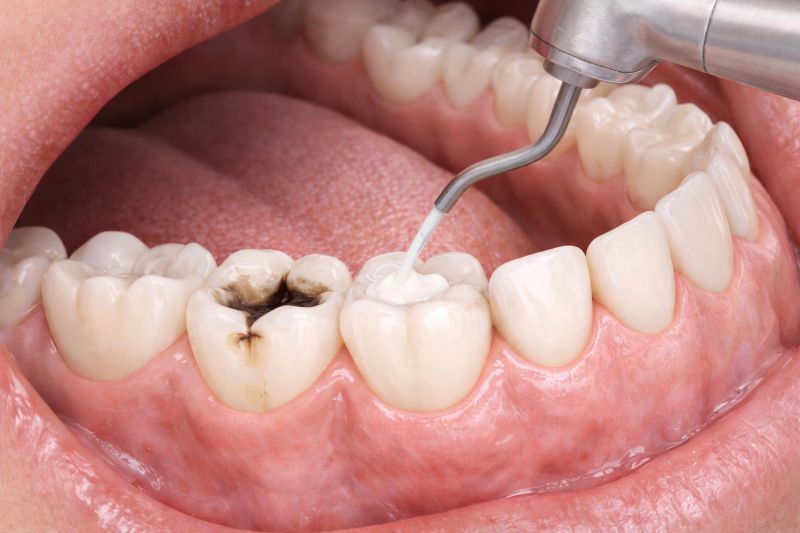
When a cavity is left untreated for too long, decay progresses through the enamel and dentin and eventually reaches the pulp chamber. At this stage, a simple filling is no longer sufficient. The infected tissue must be removed through root canal therapy to save the tooth.
What Happens During Root Canal Treatment?
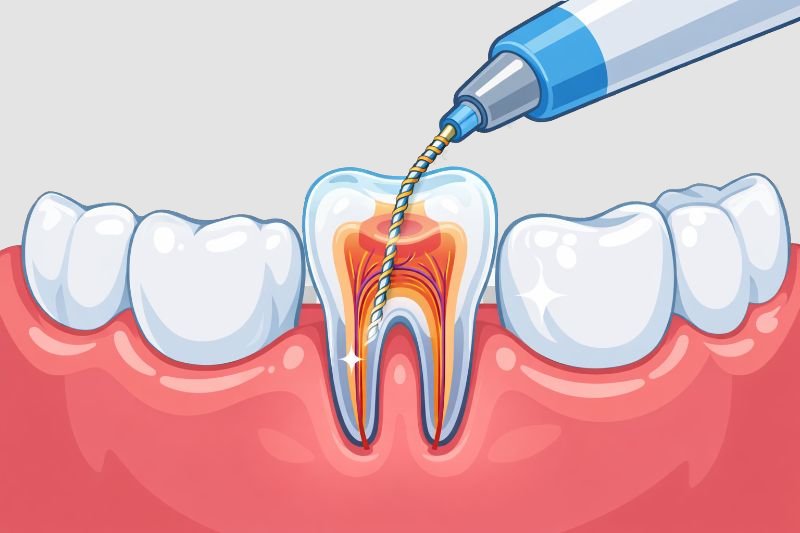
Modern root canal procedures are performed under local anesthesia and are comparable in discomfort to a standard filling. The dentist:
- Numbs the area thoroughly
- Removes the infected pulp tissue
- Cleans and shapes the root canals
- Fills and seals the canals with a biocompatible material
- Places a crown to protect the restored tooth
Most patients return to normal activities the following day.
When to Call Us
If you’re experiencing any of the symptoms above, don’t wait. Early intervention not only saves the tooth — it prevents the infection from spreading to adjacent teeth and bone. Call our office to schedule a same-day evaluation if you’re in acute pain.