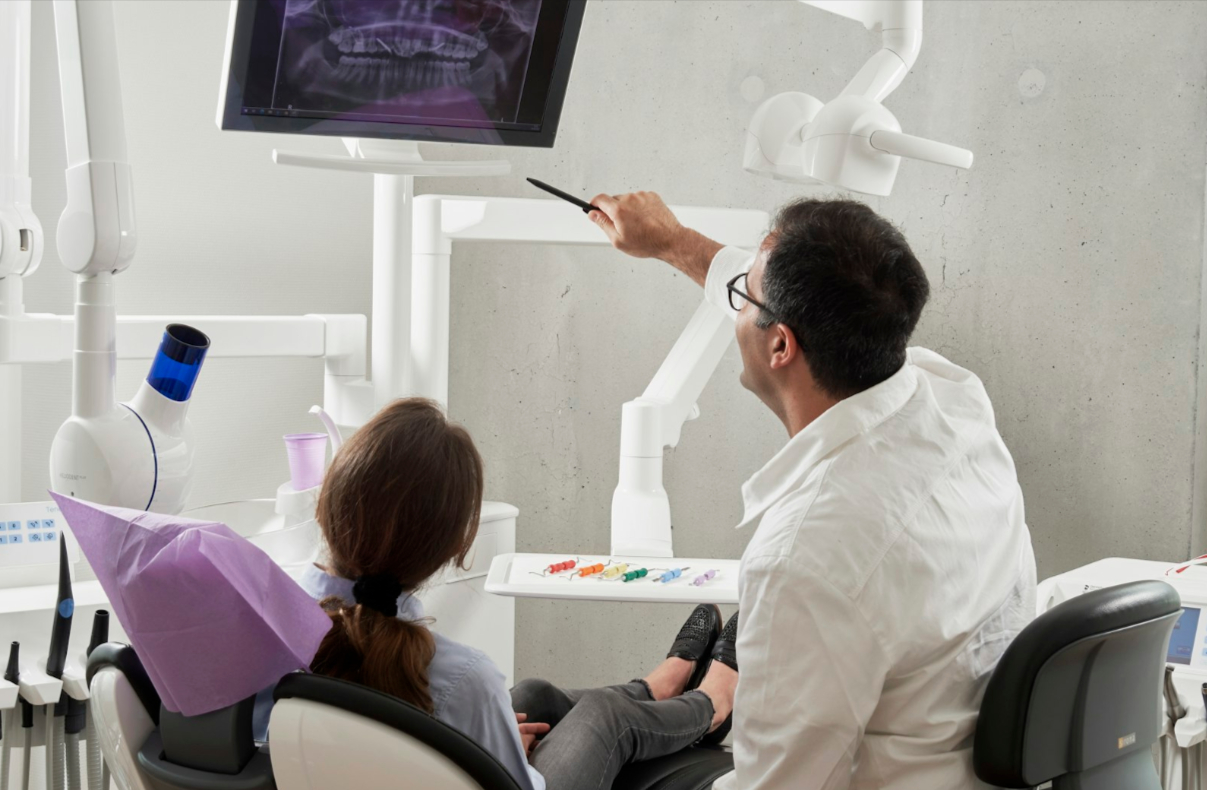

Pregnancy changes nearly every system in the body — and the oral cavity is no exception. Hormonal fluctuations, dietary changes, acid reflux, and altered immune responses during pregnancy create conditions that meaningfully increase the risk of gum disease, tooth decay, and enamel erosion. Yet dental visits are among the most commonly delayed forms of healthcare during pregnancy, largely due to unfounded fears about X-rays and treatment safety.
The result of this avoidance can be serious: untreated periodontal disease during pregnancy is associated with increased risk of preterm birth, low birth weight, and gestational diabetes complications. Dental health is prenatal health.
How Pregnancy Affects the Mouth
Pregnancy gingivitis affects up to 75% of pregnant women. Rising levels of estrogen and progesterone increase blood flow to the gum tissues and alter the immune response to dental plaque, making gums more reactive, more prone to swelling, and more likely to bleed during brushing. Pregnancy gingivitis typically begins in the second trimester and peaks around the eighth month.
Morning sickness and acid erosion. Frequent vomiting — particularly in the first trimester — exposes teeth to stomach acid (pH ~2), causing cumulative enamel erosion. The impulse to brush immediately after vomiting, while understandable, temporarily worsens the erosion because acid softens enamel. Instead, rinse the mouth thoroughly with water or a baking soda rinse, and wait at least 30 minutes before brushing.
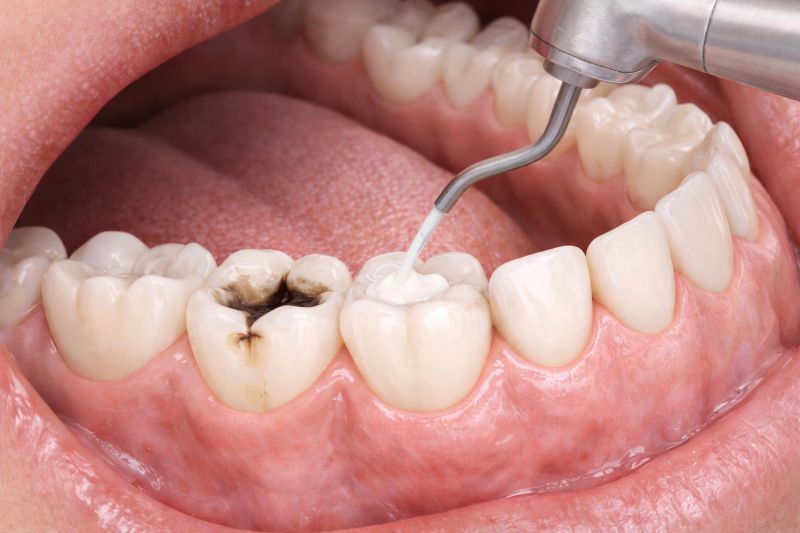
Increased cavity risk. Pregnancy cravings for sweet or starchy foods, combined with changes in salivary composition, increase the risk of dental caries. Some women also reduce their brushing frequency due to gag reflex sensitivity. Cavity-causing bacteria can also be transmitted from mother to infant during and after birth — making maternal oral health a factor in the child’s future cavity risk.
Pregnancy tumors. Despite the alarming name, pregnancy tumors (pyogenic granulomas) are benign, non-cancerous overgrowths of gum tissue that appear in approximately 10% of pregnant women. They typically develop in the second trimester, are painless, bleed easily, and usually resolve spontaneously after delivery. Treatment is rarely necessary unless they interfere with chewing.
What Dental Treatment Is Safe During Pregnancy?
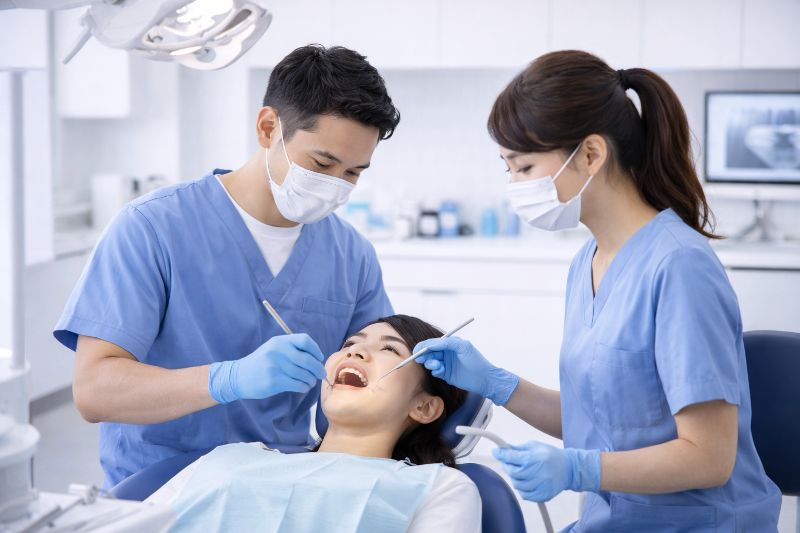
Routine cleanings and periodontal treatment — The second trimester (weeks 14–28) is the optimal window for dental treatment. Routine cleanings, periodontal scaling and root planing for active gum disease, fillings, and most non-emergency restorative work can be performed safely during this period. Delaying necessary treatment often leads to worsening conditions that require more extensive intervention.
Local anesthesia — Lidocaine (with or without epinephrine) is classified as Category B for use in pregnancy and is considered safe in routine dental doses. Studies consistently show no increased risk of adverse fetal outcomes from dental local anesthesia.
Dental X-rays — When necessary, dental X-rays are safe during pregnancy with a lead apron and thyroid collar. Modern digital X-rays use extremely low radiation doses — a full mouth series delivers radiation exposure comparable to a transatlantic flight. Deferring necessary diagnostic X-rays due to pregnancy can result in undertreated dental disease, which poses a greater risk than the minimal radiation exposure from a properly shielded X-ray.
What to defer if possible: Elective cosmetic procedures (whitening, veneers, elective extractions) should be postponed until after delivery. Non-urgent procedures in the first trimester and late third trimester are best deferred when possible — not because of specific safety concerns, but because patient comfort and positioning can be challenging.
Medications and Pregnancy
Always inform both your dentist and obstetrician of all medications you are taking. Common dental medications and their pregnancy status:
- Lidocaine (local anesthetic): Category B — safe for routine use
- Amoxicillin/penicillin (antibiotics): Category B — safe when necessary
- Acetaminophen (Tylenol, post-procedure pain): Category B — safe in standard doses
- Ibuprofen (NSAIDs): Avoid after 20 weeks; may cause fetal kidney problems
- Tetracycline antibiotics: Contraindicated — causes permanent tooth discoloration in developing fetal teeth
- Nitrous oxide: Avoid in first trimester; use with adequate ventilation if necessary later in pregnancy
Your dentist should coordinate with your OB/GYN for any procedure that requires prescription medication during pregnancy.
A Dental Checklist for Expectant Mothers
If you are pregnant or planning a pregnancy, here is what I recommend:
- Schedule a dental exam and cleaning before or early in pregnancy to address any existing disease before hormonal changes amplify it.
- Maintain rigorous home care: brush twice daily for two minutes, floss daily, and use fluoride toothpaste — regardless of gag reflex challenges. A smaller-headed toothbrush and switching to a different toothpaste flavor can reduce gagging.
- Manage morning sickness properly: rinse with water or baking soda after vomiting. Do not brush for 30 minutes.
- Stay hydrated and limit sugary snack frequency to reduce cavity risk.
- Do not skip your dental appointment because you are pregnant. Dental care is safe and necessary during pregnancy.
The Connection Between Periodontal Disease and Birth Outcomes
Multiple large studies have found associations between untreated periodontal disease in pregnant women and increased rates of preterm birth (before 37 weeks) and low birth weight (below 5.5 pounds). The proposed mechanism involves inflammatory cytokines produced by periodontal bacteria entering the bloodstream and triggering uterine contractions.
A Cochrane review found that periodontal treatment during pregnancy reduced the rate of preterm birth in some high-risk populations. While the evidence is not fully conclusive, it is robust enough that several obstetric organizations now recommend dental evaluation as part of routine prenatal care.
Taking care of your gums during pregnancy is not only about protecting your teeth — it may have direct implications for your baby’s health. Schedule that appointment.