
Dental emergencies happen when and where they are least convenient — during a weekend soccer game, a family vacation, or late on a Friday evening. Knowing what to do in the first sixty minutes can mean the difference between saving and losing a tooth. This guide covers the most common dental emergencies and what to do immediately while you arrange emergency dental care.
Knocked-Out Permanent Tooth (Avulsion)
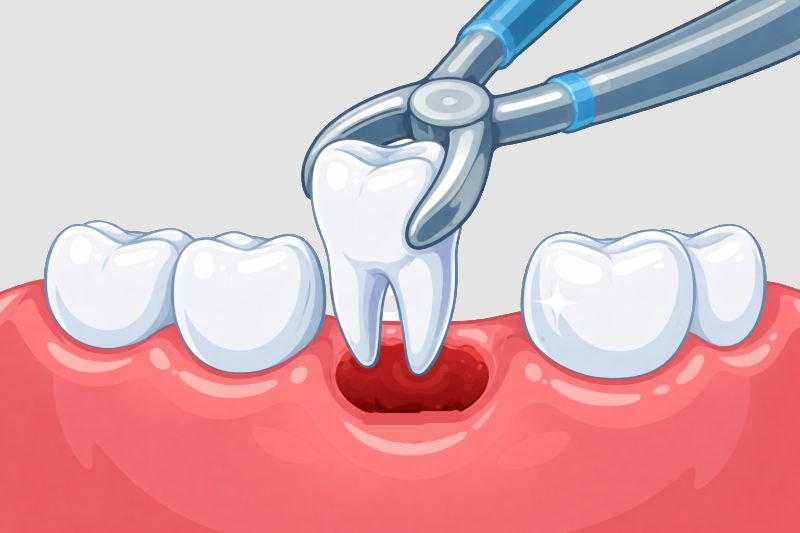
This is the most time-critical dental emergency. A knocked-out tooth can be successfully reimplanted if you act quickly — ideally within 30 minutes, with meaningful success possible up to 60 minutes.
What to do immediately:
- Pick up the tooth by the crown (the white part), never by the root.
- If the tooth is dirty, rinse it gently with clean water for no more than 10 seconds. Do not scrub it, dry it, or wrap it in tissue.
- Attempt to reinsert the tooth into the socket — gently push it in with your fingers and have the person bite down on clean gauze or cloth to hold it in place. This is the best storage medium.
- If reinsertion is not possible, store the tooth in cold milk (the preferred transport medium). If no milk is available, place the tooth between the cheek and gum of the injured person. Do not store in water — it damages the periodontal ligament cells on the root surface.
- Get to a dental office or emergency room immediately.
Do not reimplant a knocked-out baby tooth — this can damage the developing permanent tooth beneath it. Call your dentist for guidance instead.
Cracked or Fractured Tooth
Tooth fractures range from minor enamel cracks to split roots, and not all require the same urgency. Key indicators:
Craze lines (hairline surface cracks visible as fine lines in enamel) — typically cosmetic, require monitoring only. Common in adults over 30.
Fractured cusp — a piece of the chewing surface has broken away. Usually not acutely painful. Needs evaluation within 1–2 days — the remaining tooth is vulnerable to further fracture.
Cracked tooth — a crack extends from the chewing surface downward toward the root. May cause sharp pain when biting, sensitivity to sweet or cold, and intermittent discomfort. Needs prompt evaluation. Depending on crack depth and location, treatment may range from a crown to root canal plus crown to extraction.
Split tooth — the crack has extended through the entire tooth. Extraction is almost always required.
Immediate first aid: Rinse with warm water. Take ibuprofen for pain if no contraindications. Avoid chewing on the affected side. See a dentist as soon as possible — do not delay a cracked tooth evaluation.
Severe Toothache
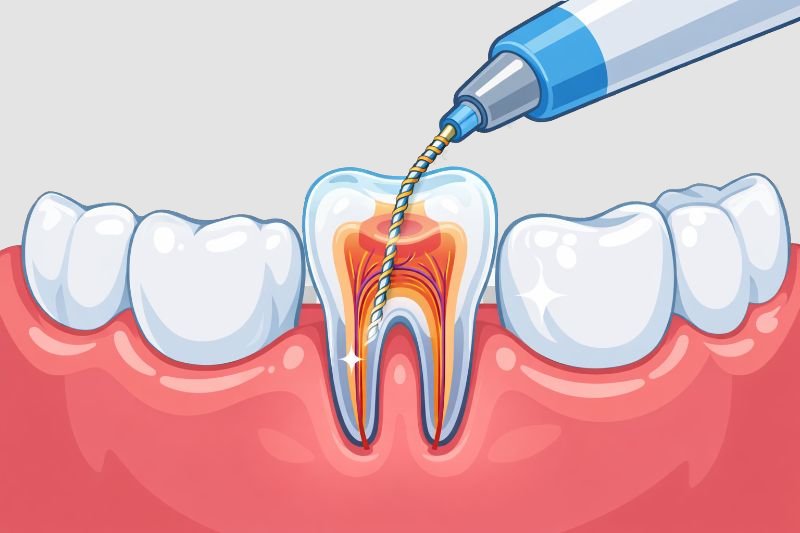
A toothache severe enough to wake you from sleep or prevent normal function is a dental emergency. It typically indicates one of three things: deep decay reaching the nerve, a dental abscess, or a crack that has propagated into the pulp.
Immediate first aid:
- Rinse with warm salt water (1 teaspoon of salt in a glass of warm water).
- Take ibuprofen (if no contraindications) — it addresses both pain and the underlying inflammation. Acetaminophen can be added for additional relief.
- Do not place aspirin directly on the gum — this is a common home remedy that causes chemical burns to soft tissue.
- Clove oil (eugenol) applied with a cotton ball directly to the painful tooth can provide temporary topical numbing.
A dental abscess can spread to surrounding tissues rapidly. If you have swelling that is spreading toward the neck, floor of the mouth, or eye socket, or if you have difficulty swallowing or breathing — go to the emergency room. These are signs of a spreading infection that requires systemic antibiotics and possible surgical drainage.
Lost Crown or Filling
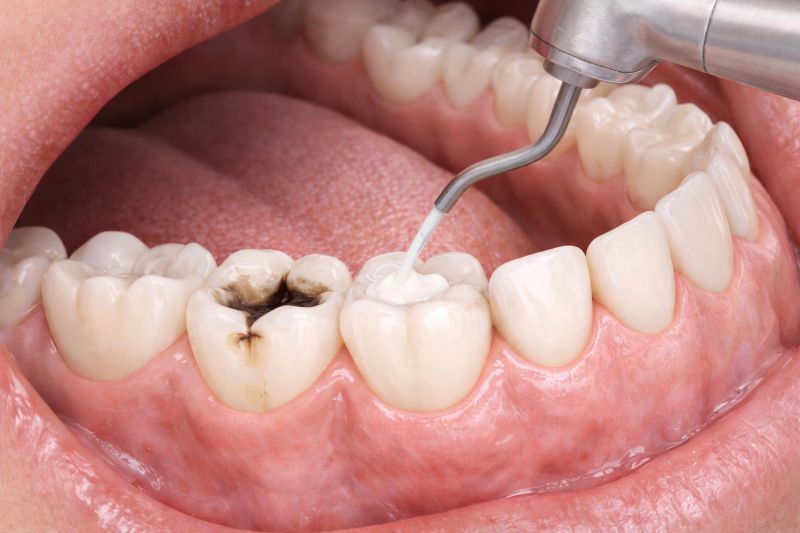
A lost crown is not usually a dental emergency — but the exposed prepared tooth beneath it is vulnerable to sensitivity, fracture, and rapid decay.
Immediate management:
- If the crown came off intact, try to seat it back over the tooth using dental cement available at pharmacies (Recapit, Temparin). Do not use super glue.
- Avoid chewing on that side.
- Call the dental office for the earliest available appointment — within a few days is appropriate.
A lost filling should similarly be addressed within a few days. The exposed cavity is sensitive and will accumulate food debris and bacteria. Over-the-counter dental cement can provide a temporary protective seal.
Soft Tissue Injuries (Lacerations to the Lip, Tongue, or Cheek)
Soft tissue injuries bleed dramatically, which tends to alarm people more than the injury warrants.
Immediate management:
- Apply firm, direct pressure with clean gauze or cloth for 15 minutes without lifting to check.
- If bleeding does not slow after 15–20 minutes of continuous pressure, go to an emergency room.
- Ice wrapped in cloth applied externally reduces swelling.
- For tongue lacerations that gape open or are deep, stitches may be required — evaluate at an emergency room.
Orthodontic Emergencies
Poking wire: Use a pencil eraser or the back of a spoon to push the wire flat against the tooth. Apply orthodontic wax generously over the poking end.
Loose bracket: Do not attempt to remove it. Apply wax to cushion it and call the orthodontist at the next business day.
Neither of these constitutes a true emergency requiring after-hours care unless there is genuine tissue injury.
How to Reach Us After Hours
At Dentist, we maintain an after-hours emergency line. If you are a patient of record and experience a dental emergency outside office hours, call our main number and follow the prompt for emergency after-hours contact. We will triage your situation and arrange care as quickly as possible.
For non-patients experiencing dental emergencies: most dental schools maintain urgent care clinics with extended hours; hospital emergency departments can manage dental abscesses and infections; and nationwide urgent dental networks (1-800-DENTIST and similar services) can locate emergency providers near you 24/7.
The most important thing you can do in any dental emergency: act quickly and seek care promptly. Time matters far more in dental emergencies than most people realize.