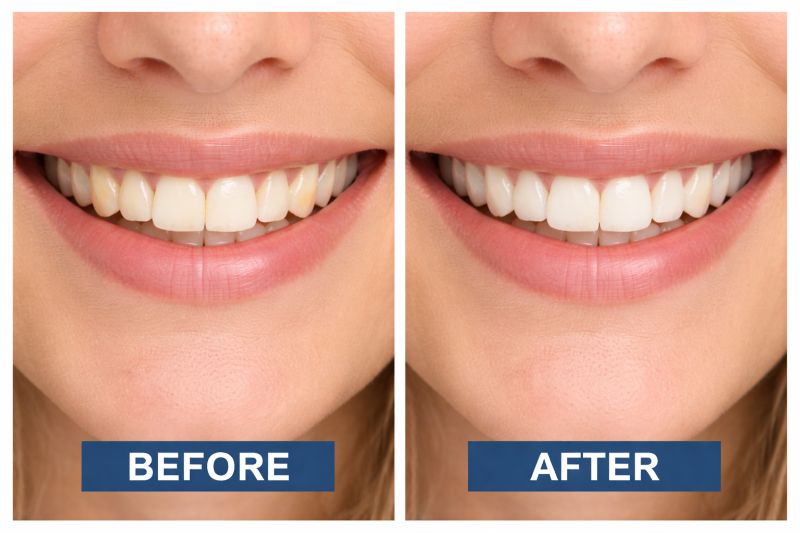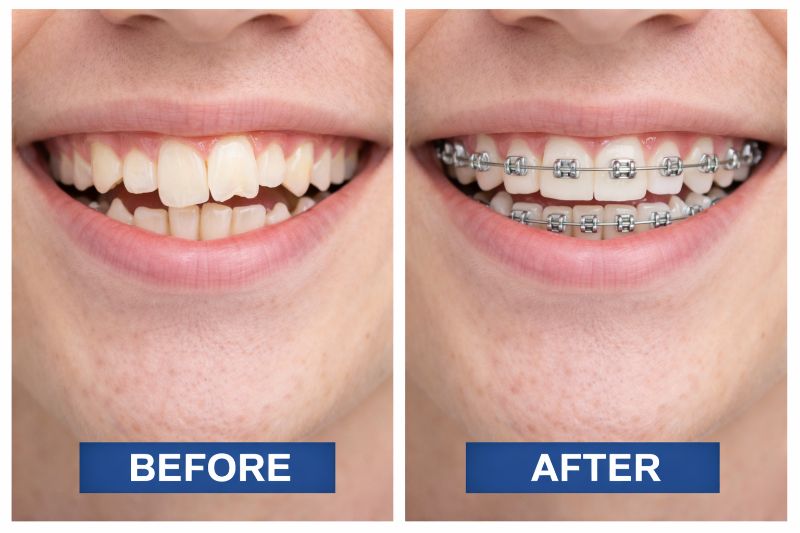
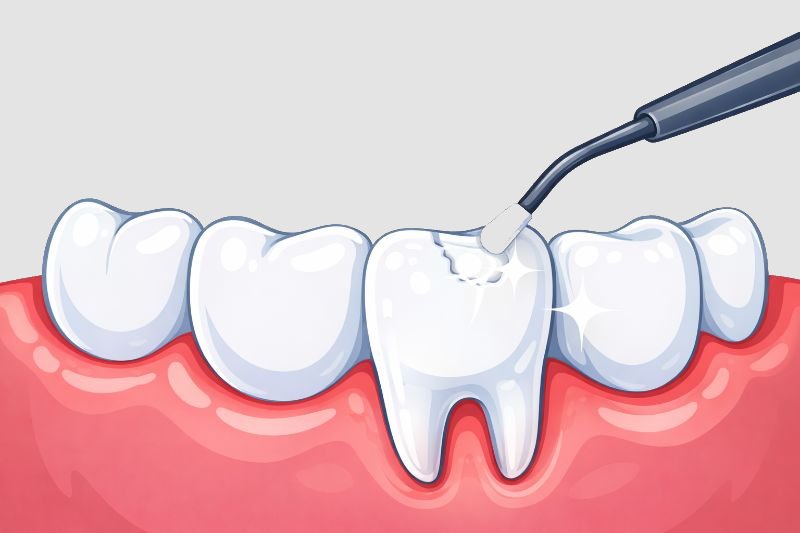
Cosmetic bonding uses tooth-colored composite resin — the same material used in fillings — to repair, reshape, or improve the appearance of a tooth in a single appointment. It is one of the most versatile and cost-effective cosmetic procedures available, requiring no laboratory fabrication and typically no anesthesia.
Dr. Sarah Mitchell hand-sculpts the composite material directly on the tooth, blending it seamlessly with the surrounding enamel to produce results that look completely natural. For patients with one or two cosmetic concerns who want an immediate improvement, bonding delivers excellent results at a fraction of the cost of veneers.
What Can Bonding Fix?
Bonding is ideal for chips on front teeth, small gaps (diastema), minor discoloration that does not respond to whitening, slightly short or uneven teeth, and exposed root surfaces that appear darker than the crown. It can also be used to reshape a tooth that appears pointed or misformed.
Bonding vs. Veneers
The primary advantage of bonding is convenience and cost — it is completed in one visit with no lab fees. The trade-off is durability: composite resin is more susceptible to staining and chipping than porcelain veneers and has a shorter lifespan of 5–7 years with proper care. For patients with more extensive cosmetic concerns or those who want a longer-lasting solution, veneers are the superior option. Dr. Mitchell will help you determine which is right for your goals and budget during your consultation.
Caring for Bonded Teeth
Avoid biting nails, chewing ice, or using teeth as tools — these habits can chip the composite. Bonding can stain from coffee, tea, and red wine, particularly in the first 48 hours after placement. Polishing at your regular cleaning appointments keeps bonding looking its best and helps your dentist monitor for wear or edge fractures.