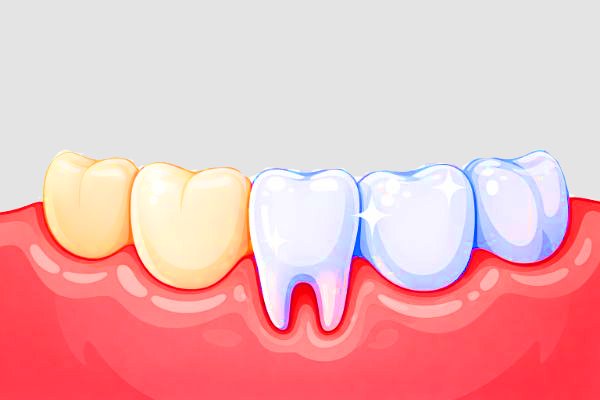


Porcelain veneers are ultra-thin ceramic shells — typically 0.3 to 0.7 millimeters thick — bonded to the front surface of your teeth to permanently alter their color, shape, size, and overall appearance. They are the single most versatile cosmetic dental procedure available, capable of addressing virtually every aesthetic concern — from chips and cracks to severe discoloration, gaps, misshapen teeth, and minor crowding — in a matter of two appointments.
They are also one of the most permanent cosmetic decisions you can make. Understanding exactly what veneers are, what the process involves, what they cost, and how long they last is essential before committing to treatment.
What Problems Can Veneers Correct?
Veneers are highly effective for:
- Teeth that are severely discolored and do not respond to whitening (including tetracycline staining and fluorosis)
- Chipped, cracked, or worn-down enamel
- Gaps or spaces between teeth (diastema)
- Slightly misaligned, crooked, or uneven teeth
- Teeth that are too small or misshapen relative to your smile
- A combination of the above in a comprehensive smile redesign
What veneers cannot correct: significant bite problems, teeth with inadequate enamel for bonding, active decay or gum disease, and habits like bruxism (grinding) without a concurrent management plan.
The Veneer Process: What to Expect
Consultation and planning. This is the most critical phase. A thorough evaluation includes full-arch photographs, dental X-rays, a bite analysis, and ideally a digital smile design or wax-up mock-up. The mock-up allows you to see and evaluate the proposed result on your actual teeth before any preparation is performed. This step is non-negotiable in my practice.
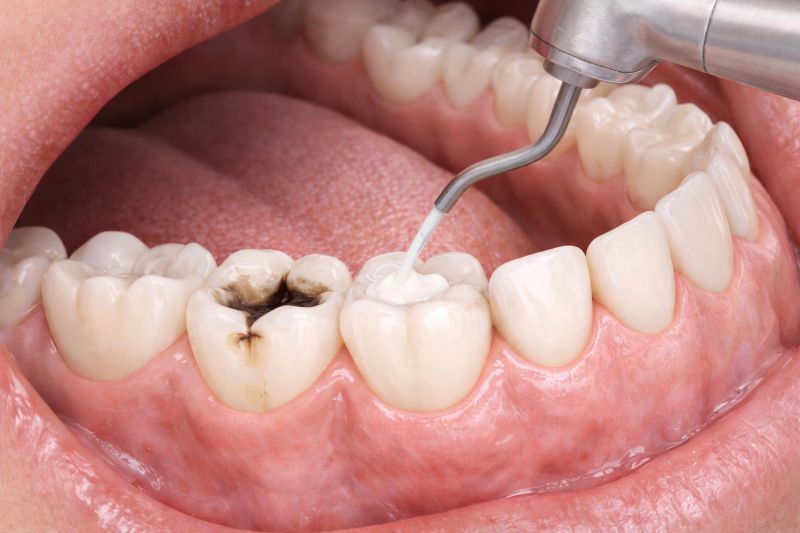
Tooth preparation. A small amount of enamel is removed from the front surface of each tooth being treated — typically 0.3 to 0.5 millimeters. This is permanent and irreversible, which is why the consultation and planning phase is so critical. Local anesthesia is used. Following preparation, a precise impression (or digital scan) is taken and sent to the dental laboratory for fabrication. Temporary veneers are placed to protect the prepared teeth.
Delivery appointment. Typically 2–3 weeks later, the permanent veneers are tried in, shade and contour are verified, and they are bonded permanently using dental cement cured with a blue light. Bite is checked, and minor polishing adjustments are made. This appointment typically takes 1.5 to 3 hours for a full set.
Minimal Prep and No-Prep Veneers
For patients who want to preserve maximum tooth structure, minimal-prep or no-prep veneers are an option in specific cases. These ultra-thin shells — sometimes as thin as a contact lens — require little to no enamel reduction. They are appropriate only when teeth are naturally smaller than ideal, or when slight protrusion of the veneered teeth is acceptable. They are not suitable for most comprehensive smile redesigns.
How Many Veneers Do You Need?
Most full smile makeovers treat the upper six to eight teeth — the teeth visible when you smile naturally. Treating only two or four teeth can create a noticeable mismatch in shade and appearance between veneered and non-veneered teeth unless the natural teeth closely match the planned veneer shade. Your dentist should evaluate your full smile width before recommending how many veneers to include in your treatment.
Cost: What to Expect
In the United States, porcelain veneers typically cost between $900 and $2,500 per tooth, depending on the dentist’s experience and geographic location. A full set of eight upper veneers commonly runs $7,000 to $20,000. Dental insurance does not cover veneers as they are considered a cosmetic procedure.
Composite resin veneers (bonding-based) cost significantly less — typically $250 to $600 per tooth — and can be completed in a single visit. They are a legitimate alternative for patients on a tighter budget, with the trade-off being shorter longevity (5–7 years vs. 10–20 for porcelain) and greater susceptibility to staining.
Cost should never be the primary driver when choosing a cosmetic dentist. The skill, artistry, and experience of the dentist — and the quality of the laboratory they partner with — determine the result far more than the brand of ceramic used.
How Long Do Veneers Last?
With proper care, high-quality porcelain veneers from an experienced cosmetic dentist and a reputable dental laboratory routinely last 10 to 20 years. Some last longer. The lifespan depends on bite forces, oral hygiene habits, and whether protective measures (like a night guard for grinding) are used.
Veneers can chip or crack if subjected to excessive force — biting fingernails, chewing ice, opening packaging with teeth. When this happens, the veneer typically needs to be replaced rather than repaired, as bonding composite to porcelain does not produce a durable result.
Protecting Your Investment
A few important practices extend veneer longevity:
Wear a night guard if you grind or clench your teeth. Bruxism is the most common cause of premature veneer failure. A custom-fitted guard protects the porcelain during sleep.
Avoid staining beverages in excess. While porcelain is more stain-resistant than natural enamel, the bonding margins at the gumline can discolor with heavy coffee, tea, and red wine consumption over years. Maintain good oral hygiene and attend regular professional cleanings.
Maintain healthy gums. Gum recession exposes the bonding margin of the veneer and the underlying tooth structure, affecting appearance and long-term integrity. Regular periodontal maintenance preserves the gumline and the aesthetic outcome.
Is It Right for You?
Veneers are a powerful tool — but they are not appropriate for everyone, and they should never be recommended without a comprehensive evaluation. If you have been told you are a veneer candidate without a thorough examination, X-rays, and a discussion of alternatives, seek a second opinion from an AACD-accredited cosmetic dentist.
The right veneer outcome, done well, can be life-changing. The wrong one — poor planning, inadequate preparation, or low-quality laboratory work — is difficult and expensive to correct. Take your time, choose your provider carefully, and insist on seeing a mock-up before agreeing to tooth preparation.