
Not all whitening methods are created equal. As an AACD-accredited cosmetic dentist, I’ve seen patients damage their enamel chasing results they could have achieved safely in a single professional visit. Teeth whitening can be effective and safe, but only when the method matches your dental health, enamel strength, and sensitivity level.
This guide explains the real differences between at-home whitening and professional dental treatments. Understanding how each method works will help you choose the safest option while protecting your enamel and achieving a brighter smile.
Understanding How Teeth Whitening Actually Works
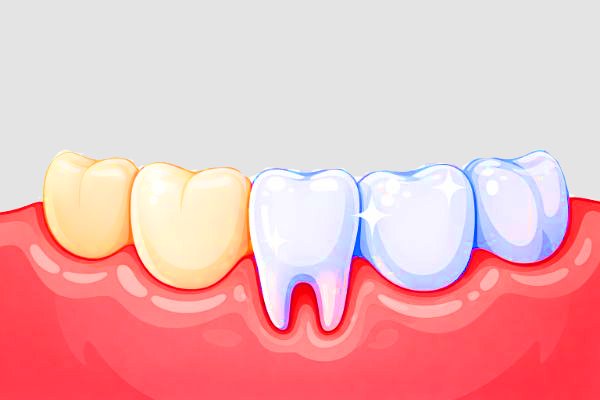
Most whitening products rely on peroxide-based ingredients that break down stains on the enamel. Over time, foods like coffee, tea, wine, and tobacco can penetrate the microscopic pores of your teeth, causing discoloration that brushing alone cannot remove.
- Coffee and tea stains
- Wine and soda discoloration
- Tobacco and smoking stains
- Aging-related yellowing
Whitening treatments release oxygen molecules that lift these stains from the enamel surface. However, the strength of the whitening agent and the duration of exposure determine both the results and the potential risks to your enamel.
At-Home Whitening Methods
At-home whitening options are popular because they are convenient and affordable. These methods usually include whitening toothpaste, over-the-counter strips, LED kits, and custom trays with whitening gel. While they can improve mild staining, results are usually gradual and vary between individuals.
- Whitening toothpaste for surface stains
- Whitening strips with low peroxide concentration
- LED whitening kits sold online
- Custom whitening trays prescribed by dentists
The biggest risk with DIY whitening is overuse. Many people repeat treatments too frequently or use products with unknown ingredients, which can lead to tooth sensitivity, gum irritation, or enamel weakening.
Professional Teeth Whitening at the Dentist
Professional whitening treatments performed by a dentist are designed to deliver faster and safer results. Dentists use higher-quality whitening agents and carefully protect the gums and soft tissues during the procedure. Most patients see noticeable results in just one appointment.
Professional whitening is not only about stronger gel — it is about controlled application, enamel protection, and predictable results.
Another major advantage is professional evaluation before treatment. A dentist can identify cavities, gum disease, or enamel damage that should be treated before whitening begins.
Comparing At-Home and Professional Whitening
Both whitening methods can be effective, but they serve different needs. At-home products may work well for maintenance or mild stains, while professional treatments are better for deeper discoloration or faster results.
| Feature | At-Home Whitening | Professional Whitening |
|---|---|---|
| Speed of Results | Gradual (days to weeks) | Immediate (often one visit) |
| Strength of Whitening Agent | Low concentration | High but controlled |
| Safety Supervision | Self-managed | Dentist supervised |
| Cost | Lower | Higher but predictable |
If your goal is dramatic whitening with minimal risk, professional treatment is typically the safest and most reliable option. However, combining professional whitening with occasional at-home maintenance can provide long-lasting results while protecting the health of your teeth.