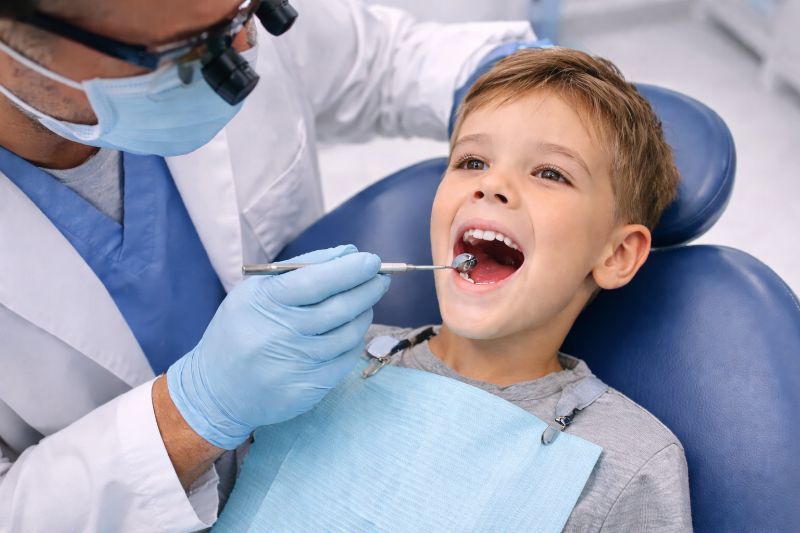
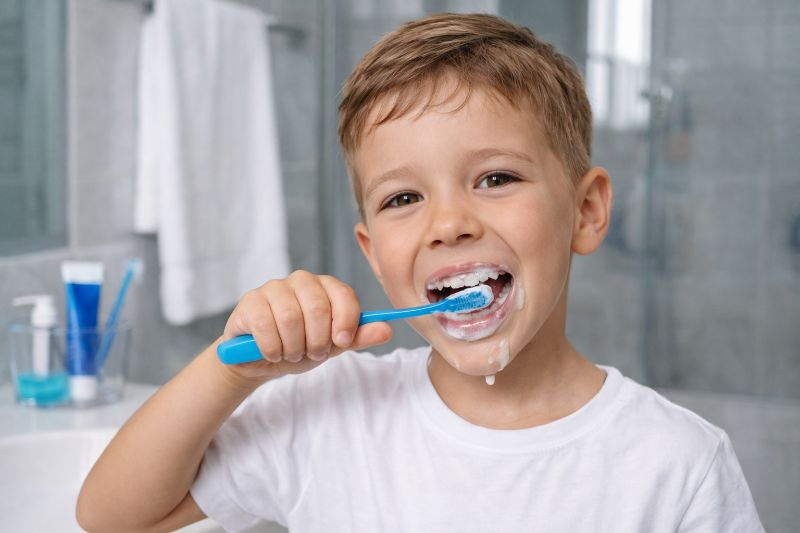

Most adults have been brushing their teeth since childhood without anyone ever showing them exactly how to do it correctly. They brush for twenty seconds instead of two minutes, they scrub horizontally instead of angling toward the gumline, and they use a medium or hard bristle brush that slowly erodes their enamel year after year. The consequences — gum recession, enamel wear, persistent plaque — accumulate quietly until they become clinical problems.
Here is the complete, correct approach to brushing your teeth.
How Long Should You Brush?
Two minutes, twice a day — every day. This is the evidence-based minimum recommended by the American Dental Association. Most adults brush for 45 to 60 seconds. That is simply not enough time to thoroughly clean all tooth surfaces.
The easiest way to ensure two full minutes: use an electric toothbrush with a built-in timer. Nearly every modern electric toothbrush pulses at 30-second intervals to prompt you to move to the next quadrant, and stops at two minutes. If you are using a manual brush, use a timer on your phone. You will almost certainly find that two minutes feels much longer than you expected.
Technique: The Modified Bass Method
The technique recommended by most periodontists is the Modified Bass Method. Here is how to perform it:
Angle the bristles 45 degrees toward the gumline. The goal is to clean just below the gumline — where plaque accumulates and gum disease begins — not just the visible tooth surface. Holding the brush flat against the teeth misses this critical area.
Use short, gentle horizontal strokes or a circular vibrating motion. You are not scrubbing a pot. Aggressive horizontal scrubbing wears away enamel at the gumline and contributes to recession. Gentle, small strokes or vibration are far more effective and safe.
Brush all surfaces. Outer surfaces (cheeks side), inner surfaces (tongue side), and chewing surfaces. The inner surfaces of the lower front teeth are consistently the most missed area in most people’s brushing routine.
Finish with the tongue. Brushing the tongue removes bacteria responsible for bad breath and reduces the overall bacterial load in the mouth.
Manual vs. Electric Toothbrush
The research is clear: electric toothbrushes remove significantly more plaque than manual brushes when used correctly. A Cochrane systematic review of 56 studies found that oscillating-rotating electric toothbrushes reduced plaque by 21% and gingivitis by 11% more than manual brushing after three months.
This does not mean manual brushing is ineffective — it means electric brushing is more forgiving of imperfect technique, which describes nearly every patient I have ever treated.
If you use a manual brush: soft bristles only, always. Medium and hard bristles cause more harm than good over years of daily use.
How Much Toothpaste?
A pea-sized amount — roughly the size of a pencil eraser — is all you need. The foaming action of toothpaste does not enhance cleaning; it simply makes the experience feel more thorough. More toothpaste does not mean cleaner teeth.
Fluoride concentration matters far more than quantity. Use a toothpaste with at least 1,000 ppm fluoride (standard adult toothpaste). For adults at high cavity risk, prescription-strength 5,000 ppm fluoride toothpaste provides meaningfully better protection.
The Mistake That Ruins Everything
Rinsing immediately after brushing washes away the concentrated fluoride that was just applied to your enamel. Do not rinse after brushing. Spit out the excess toothpaste — but let the residual film sit on your teeth. This allows the fluoride to continue remineralizing enamel for several minutes after you put the brush down.
This single habit change — not rinsing — makes a measurable difference in cavity prevention, particularly for patients who are prone to decay.
Replace Your Brush Regularly
Bristles wear and splay after 3–4 months of use, significantly reducing cleaning effectiveness. Replace your manual brush or electric brush head every three months, or sooner if the bristles visibly fan out. A worn brush does not clean your teeth; it just moves bacteria around.
When to Brush
After breakfast and before bed. The most critical session is the nighttime brush. Saliva production decreases significantly during sleep, reducing the mouth’s natural ability to neutralize acids and remineralize enamel. Going to bed without brushing means bacteria feast on residual food particles and acids accumulate on tooth surfaces for eight hours uninterrupted.
If you only brush once a day — brush at night.
The Bottom Line
Correct brushing technique costs nothing extra. It requires the same brush, the same toothpaste, the same two minutes you already (should) spend. Small adjustments — angling toward the gumline, using gentle strokes, not rinsing, replacing the brush on schedule — compound over a lifetime into meaningfully better oral health outcomes. The patients who see the fewest cavities and the least gum disease in my practice are not always the ones with the best genetics. They are consistently the ones who brush correctly, every day, without exception.